

How Scuba Diving Lessons Help You Become More Comfortable in Open Water
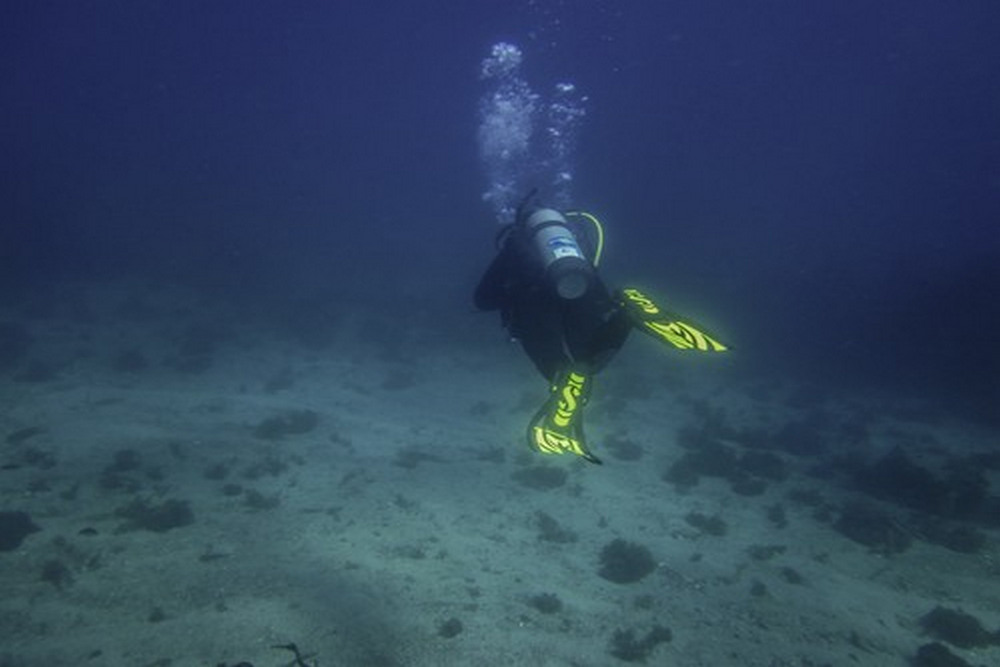
Your first open-water scuba diving experience can bring excitement along with a few understandable concerns. Breathing underwater, managing scuba equipment, and adjusting to an unfamiliar environment can take some getting used to. Scuba diving lessons help you feel more comfortable by introducing essential skills before you explore the ocean. You learn how your equipment works, how to breathe through a regulator, and how to maintain a relaxed position underwater. Your instructor also explains important safety procedures and communication signals that help you stay connected with your dive partner. Practicing these skills in a controlled training environment gives you time to become familiar with the sensations of scuba diving. You can ask questions, repeat techniques, and work through anything that makes you uncomfortable. This preparation helps reduce uncertainty when you transition to open water. Instead of trying to understand everything at once, you can rely on the skills you have already practiced. If you are considering your first scuba certification, starting with proper instruction can help you approach the ocean with greater confidence and a clearer understanding of what to expect.
Become Familiar With Your Scuba Equipment
Feeling comfortable with your equipment is an important part of enjoying open-water diving. Your mask, fins, regulator, buoyancy control device, and air cylinder all serve specific purposes, and you need to understand how they work together. During scuba diving lessons, you learn how to wear, adjust, inspect, and use your equipment correctly. You also practice important procedures such as clearing your mask, recovering your regulator, and checking your air supply. These skills may feel unfamiliar at first, but repeated practice helps make them easier to perform. When you understand your equipment, you spend less time worrying about how everything works and more time focusing on your surroundings. Your instructor can also help you identify equipment adjustments that improve your comfort and fit. For example, an improperly fitted mask or restrictive wetsuit can become distracting during a dive. Taking time to address these details before entering open water can improve your overall experience. You can also ask your instructor to review equipment checks with you until you feel confident completing them.
Learn to Handle Changing Ocean Conditions
Open-water diving introduces conditions that can differ significantly from those you experience during pool training. Water temperature, visibility, waves, currents, and underwater movement can all affect how you feel during a dive. In San Diego, you may encounter kelp forests, rocky underwater areas, and coastal conditions that require careful attention. Scuba diving lessons help you prepare by teaching you how to respond to different situations while following your training and dive plan. You learn to maintain awareness of your depth, control your movements, and communicate with your dive partner. Your instructor can also explain how to recognize conditions that may affect your comfort or require changes to the planned dive. Understanding these factors helps you avoid feeling unprepared when you enter the ocean. Remember that becoming comfortable with open water takes time. You do not need to rush into challenging locations or conditions before you have the necessary experience. Choosing appropriate dive sites and following your instructor’s recommendations can help you build confidence gradually. Each successful training experience gives you another chance to become familiar with the ocean’s natural movement.
Develop Skills That Support Relaxed Underwater Movement
Your comfort underwater depends on more than knowing how to use your equipment. You also need to develop good breathing habits, controlled movements, and awareness of your position in the water. During scuba diving lessons, you practice skills that help you stay relaxed and avoid unnecessary movements. You learn how your breathing affects your buoyancy and why controlled fin movements can make swimming more efficient. You also practice maintaining a comfortable distance from the ocean floor and surrounding marine life. These habits can make a significant difference when exploring San Diego’s coastal waters, especially around kelp forests and rocky reefs. When you feel more comfortable with your movements, you can spend more time observing marine life and enjoying the underwater scenery. Your instructor can provide feedback on areas that need improvement and help you practice until your techniques become more consistent. You can also review your performance after each session to understand what went well and what you should work on next. Developing these skills gradually helps you become more aware, relaxed, and prepared during future dives.
Continue Your Training and Explore More of San Diego
Becoming comfortable in open water is a process that continues even after you earn your initial scuba certification. Every dive gives you another opportunity to strengthen your skills, gain experience, and discover new underwater environments. At San Diego Scuba Guide, you can continue developing your abilities with guidance from an experienced NAUI instructor. You can build on your foundational training, work toward advanced certification, and become more comfortable with different diving conditions. Whether you want to explore local kelp forests, improve your underwater awareness, or prepare for scuba diving adventures in other destinations, continued instruction can help you work toward your goals. You can also develop responsible diving habits that encourage you to respect marine life and protect the environments you visit. Taking the time to improve your skills allows you to enjoy each experience with greater confidence and preparation. When you are ready to begin scuba lessons or continue your underwater education, contact San Diego Scuba Guide at (858) 397-8213 and take your next step toward exploring San Diego’s coastal waters.