

What to Know Before Your First Guided Scuba Dive in San Diego
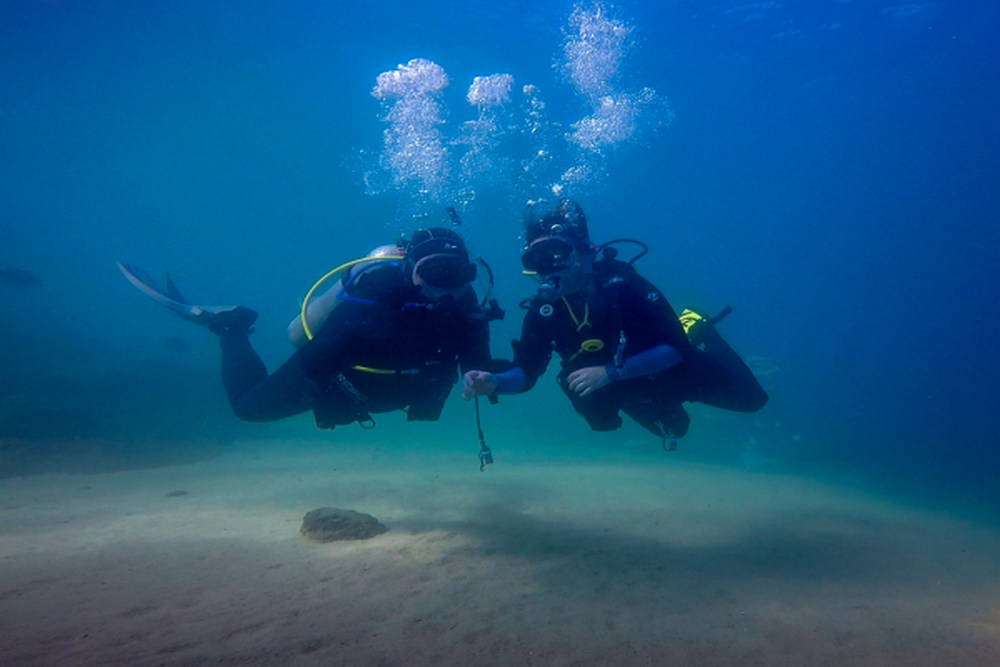
Your first guided scuba dive in San Diego can be an exciting opportunity to experience the coast from beneath the surface while having experienced support throughout the dive. Before you enter the water, take time to understand what the experience involves so you can arrive prepared and focused. You will typically review the dive plan, discuss the expected conditions, check your equipment, and go over important underwater communication signals. If you are new to guided diving, you may also want to ask questions about the depth, expected duration, entry and exit procedures, and the type of marine life you could encounter. Knowing what to expect can help you feel more relaxed once you begin your dive. You do not need to rush through your preparation. Give yourself enough time to become familiar with your gear and listen carefully to your instructor or guide. A few extra minutes spent reviewing your equipment and the plan can help you feel more confident before you take your first breaths underwater. If you are preparing for a guided dive soon, use your pre-dive briefing as an opportunity to ask about anything that feels unfamiliar.
Prepare Your Scuba Equipment Before Entering the Water
Your equipment plays an important role in your comfort during a guided scuba dive, so you should become familiar with how everything fits and functions before entering the ocean. Your mask should create a comfortable seal, your fins should fit securely, and your wetsuit should allow you to move without excessive restriction. You should also understand how to use your regulator, buoyancy control device, air cylinder, and other essential equipment. Your guide can help you inspect and adjust your gear before the dive, giving you an opportunity to identify anything that does not feel right. You should never hesitate to mention discomfort or ask for an adjustment. Being comfortable with your equipment can help you focus more attention on your breathing, buoyancy, and surroundings once you are underwater. You can also review basic equipment checks before the dive so you become more familiar with the process. If you want additional practice, consider spending time with your instructor reviewing equipment setup and basic procedures before your guided experience. This preparation can make your transition from the shore into the water feel much smoother.
Understand San Diego Ocean Conditions Before Your Dive
San Diego offers a variety of coastal diving experiences, and ocean conditions can change from one day to another. Water temperature, visibility, waves, surge, currents, and other conditions can influence how your dive feels. As a beginner or relatively new diver, you should learn what conditions you can expect before entering the water. Your guide can explain the planned dive site and discuss conditions that may affect your experience. You may also need to adjust your movement and buoyancy techniques depending on what you encounter underwater. Rather than expecting the ocean to feel exactly like a pool or training environment, give yourself time to adjust to its natural movement. Staying calm and paying attention to your guide can help you respond more comfortably when conditions change. You should also understand that a dive plan may be adjusted when conditions require it. Listening to your guide and following established procedures allows you to concentrate on the experience while maintaining awareness of your surroundings. If you are unsure about a condition or procedure, ask before entering the water so you can begin your dive with a clearer understanding of what to expect.
Practice Staying Calm and Communicating Underwater
Once you are underwater, staying relaxed can make it easier to use the skills you have learned during your scuba training. Your breathing, buoyancy, body position, and communication all become important parts of the experience. You should remember that you do not need to rush. Breathe steadily, pay attention to your equipment, and use the agreed-upon hand signals when you need to communicate with your guide or dive partner. Your guide can help you remain aware of your surroundings and provide direction throughout the dive. If you become uncomfortable or need assistance, communicate rather than trying to push through the situation. You can also practice maintaining a steady pace and avoiding unnecessary movements, which helps you conserve energy and air. The more comfortable you become with these habits, the easier it can be to focus on the marine environment around you. Your first guided dive is also a learning opportunity, so pay attention to what feels comfortable and what you would like to improve. After the dive, reviewing your experience with your instructor can help you identify skills to practice before your next underwater adventure.
Continue Building Your Diving Skills After Your First Experience
Your first guided scuba dive can be the beginning of a much longer diving journey. Once you have experienced San Diego’s coastal waters, you may want to improve your skills, explore different dive sites, or become more comfortable in conditions that require additional experience. At San Diego Scuba Guide, you can continue developing your abilities with guidance from an experienced NAUI instructor. You can strengthen your foundational skills, work toward advanced certification, and build greater confidence as you gain experience underwater. Continued instruction can also help you develop stronger awareness of your surroundings and learn techniques that support respectful interactions with marine environments. Whether you want to explore kelp forests, prepare for future dive travel, or simply feel more comfortable during local dives, additional training can help you work toward your goals. When you are ready to continue your underwater education or schedule a guided diving experience in San Diego, contact San Diego Scuba Guide at (858) 397-8213 and take your next step toward discovering more beneath the surface.