

How Guided Scuba Diving Tours Help Beginners Explore the Ocean Safely
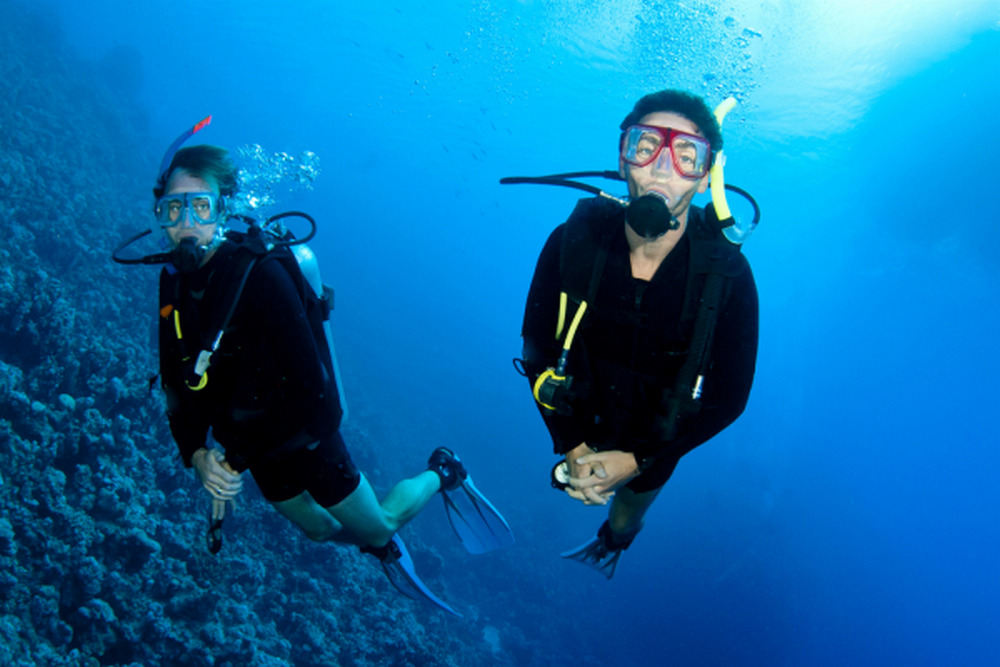
Taking your first steps into scuba diving can feel both exciting and uncertain, especially when you’re preparing to enter an environment that is completely new to you. Guided scuba diving tours give you a structured and supportive way to begin, allowing you to focus on the experience rather than the stress. With a trained professional by your side, you receive clear instructions, real-time guidance, and reassurance throughout the dive. This kind of setup helps you stay calm as you adjust to breathing underwater, managing your buoyancy, and becoming aware of your surroundings. Instead of worrying about what could go wrong, you get to fully enjoy the moment while building confidence in your abilities. Having that consistent support makes a significant difference in how quickly you adapt and how much you enjoy your first dives.
Learning Essential Skills in a Real Ocean Setting
While classroom sessions and pool training are valuable, nothing compares to applying your skills in the ocean itself. Guided tours provide a safe environment where you can practice what you’ve learned while still having immediate help available. You begin to understand how currents feel, how visibility can change, and how to communicate effectively underwater. Your guide helps you refine techniques like equalizing pressure, maintaining proper depth, and conserving air. Because you are not alone, you can make small mistakes and correct them quickly without feeling overwhelmed. This kind of hands-on learning builds a stronger foundation than theory alone, helping you progress at a comfortable pace while staying aware of safety at all times.
Gaining Awareness of Marine Life and Surroundings
One of the most memorable parts of scuba diving is encountering marine life in its natural habitat. Guided tours enhance this experience by helping you recognize different species and understand how to interact with them respectfully. Your guide points out details you might otherwise miss, from camouflaged creatures resting on the ocean floor to subtle water movements that signal nearby activity. You also learn how to move in a way that avoids disturbing delicate ecosystems, which is an important part of becoming a responsible diver. As you grow more comfortable, your awareness expands beyond just yourself and your equipment, allowing you to appreciate the ocean as a living, interconnected environment.
Building Confidence Through Guided Experience
Confidence in scuba diving doesn’t come all at once; it develops gradually with each dive. Guided tours provide a steady path for that growth by offering consistency and support every step of the way. You become more familiar with your gear, more relaxed with your breathing, and more aware of how your body responds underwater. Over time, situations that once felt intimidating become manageable. Your guide helps you handle minor challenges, such as slight currents or changes in depth, so you can respond calmly rather than react with uncertainty. This repeated exposure, paired with expert supervision, helps you build confidence in your skills and prepares you for more independent diving in the future.
Expanding Your Skills and Diving Opportunities
As your comfort and experience grow, you may find yourself wanting to explore more advanced dive sites or improve your overall technique. At San Diego Scuba Guide, you can take that next step by continuing your training with a knowledgeable NAUI instructor who works closely with you throughout the process. You strengthen your abilities, become more at ease in varying conditions, and learn practices that respect marine environments while broadening your diving experiences. Whether you want to travel, feel more stable in kelp forests, or sharpen your awareness underwater, continued instruction helps you reach those goals. Call (858) 397-8213 to begin your eco-conscious diving journey and discover new possibilities waiting beneath the surface.