

Why a San Diego Night Dive Can Give You a Completely Different Underwater Experience
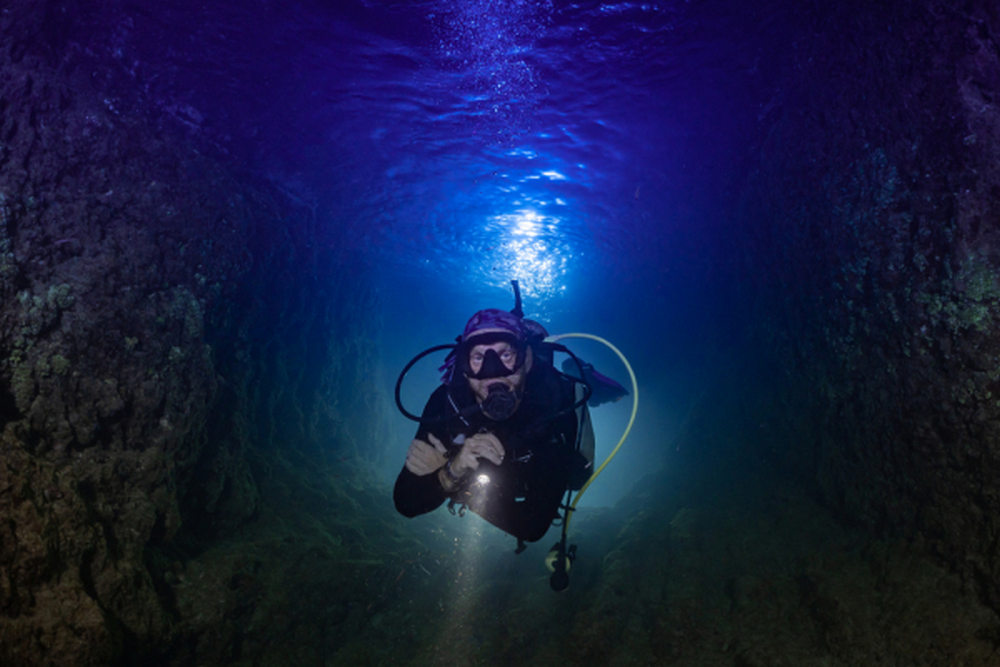
When you experience a San Diego night dive, you discover that the ocean can feel completely different after the sun goes down. During the day, sunlight fills the water and gives you a wide view of the surrounding environment. At night, your dive light becomes your main source of visibility, creating a smaller but more focused view of your surroundings. You begin to pay closer attention to movement, sounds, and details that may not stand out during a daytime dive. This change can make familiar dive locations feel new again, even if you have explored them before. You may notice different colors when your light reaches rocks, kelp, fish, and other marine life. The darker setting can also encourage you to slow down and stay more aware of your surroundings. If you have already become comfortable with daytime diving, night diving can give you an opportunity to practice your skills in a different setting. Prepare by reviewing your equipment, checking your light, and discussing the dive plan before entering the water. These steps help you feel more prepared and focus on enjoying the unique atmosphere beneath the surface after sunset.
Discovering Marine Life That Becomes Active at Night
One of the most exciting parts of a night dive is seeing marine activity that may be less noticeable during daylight hours. Some ocean creatures become more active after dark, while others settle into different behaviors as the evening progresses. Your dive light can reveal small movements among rocks, sand, and kelp that you might not notice during a daytime dive. You may also see creatures that are rarely the focus of a daytime dive because they are hidden or less active when the sun is out. Watching these animals in their natural surroundings can give you a deeper appreciation for the variety of life along San Diego’s coast. Maintain a respectful distance and avoid touching marine animals, plants, or other underwater features. Your goal is to observe rather than interfere. A guided night dive can be especially useful if you are new to diving after dark, because you can get help maintaining awareness, communicating with your dive partner, and using your light effectively. As you gain experience, you may become more comfortable identifying movement and recognizing the small details that make nighttime diving so memorable.
Using Your Dive Light With Greater Awareness
Your dive light becomes an important part of your experience during a night dive, so learning how to use it properly can help you feel more comfortable. You rely on the light to see the area directly in front of you, examine marine life, and communicate with your dive partner. You also need to remain aware of your surroundings instead of focusing only on the beam. Simple light signals can help you communicate underwater, while regular checks of your equipment and air supply keep your attention on the fundamentals of good diving. If your light moves too quickly, you may miss interesting details and make it harder to maintain a steady view. Moving your light slowly can help you examine your surroundings while staying more aware. You can also practice these techniques during training so they feel more natural before your first nighttime dive. If you are considering this type of experience, spending time reviewing your procedures before entering the water can make a meaningful difference. A calm approach helps you stay focused, manage your equipment, and enjoy the experience without becoming distracted by the darkness.
Building Confidence in a Different Diving Environment
A night dive can challenge you to use familiar scuba skills in a setting that feels very different from daytime diving. You may notice your sense of direction changes when natural light is no longer available, so it’s important to pay attention to your dive plan, your guide, and your dive partner. You also learn to trust your equipment and rely more heavily on communication. These experiences can strengthen your overall diving awareness and encourage you to stay calm when conditions feel unfamiliar. If you are still building your diving experience, guided instruction can provide valuable support as you learn to handle the differences between day and night dives. You can ask questions before the dive, review communication methods, and discuss what you should expect once you are underwater. With practice, the darkness can become less intimidating and more intriguing. You may find that you enjoy the slower pace and focused attention that a night dive encourages. Taking the opportunity to develop these skills can also prepare you for more varied diving experiences as your confidence grows.
Continuing Your Exploration After Dark
Once you discover how different the ocean can feel after sunset, you may want to continue developing your skills and explore more challenging dive experiences. At San Diego Scuba Guide, you can build on your existing experience with guidance from an experienced NAUI instructor. Continued training can help you become more comfortable with nighttime conditions, improve your underwater awareness, and strengthen techniques that support responsible diving. You can also work toward advanced certification if you want to expand your opportunities and experience different types of dives. Whether you want to explore San Diego’s coastal waters after dark, become more confident in kelp forests, or prepare for future dive trips, additional instruction gives you more ways to grow as a diver. You can take your time, ask questions, and continue practicing the skills that help you feel prepared for each new experience. To learn more about private scuba training, guided dives, and opportunities to continue your underwater education, contact San Diego Scuba Guide at (858) 397-8213 and take your next step toward discovering San Diego’s coast from a completely different perspective.